






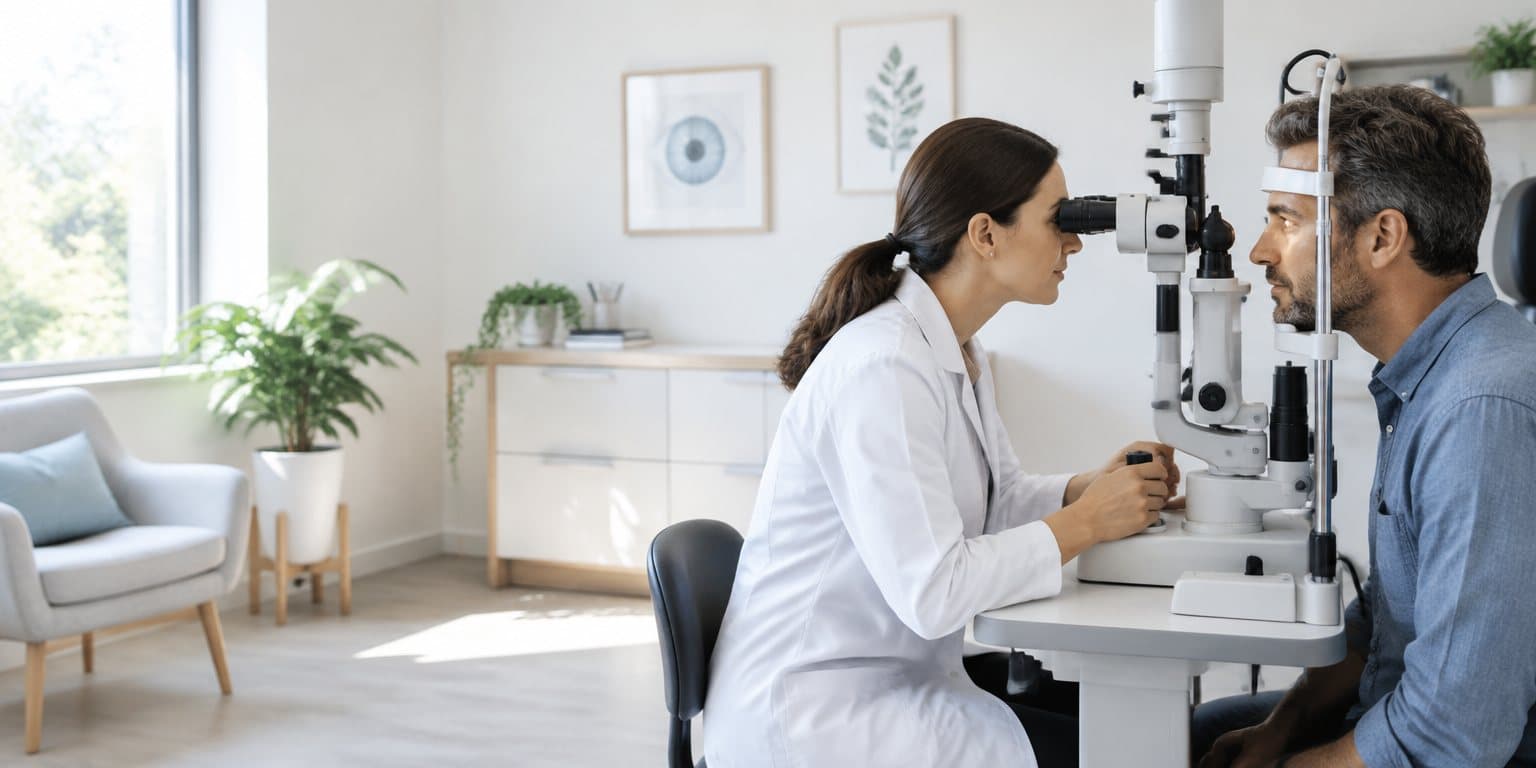
Hearing, Vision & the Senses
Untreated hearing loss and vision loss are each on the short list of modifiable risks for dementia, and both are common, gradual and easy to test for. Hearing aids and cataract surgery are among the better-evidenced things a person can do for their brain in later life. Balance, taste and smell matter too - smell for what its loss can signal, balance for what a fall costs.
What this means for healthspan
Hearing and vision are how we take in the world. They affect how well we follow a conversation, read a label, drive, spot a step or a hazard, and stay in touch with other people. Both usually change gradually, so many people adjust without noticing how much they have lost.
Research links untreated hearing loss and untreated vision loss with a higher risk of dementia, falls and social withdrawal. Much of this comes from observational studies, so it is not certain that treating sensory loss will prevent these problems. It is still reasonable to find and address sensory loss, because better hearing and sight can improve safety, communication and day to day life in their own right.
What we assess, and why
We ask about hearing and vision, including trouble in noisy places, needing the television louder, difficulty with glare, night driving or reading, and any recent falls. We may use short screening questions or simple in-clinic checks, and we refer for full testing when something is found.
Smell and balance also change with age and are worth asking about. Balance problems often lead to falls, and a lost sense of smell can have several causes, some of which need medical review. A full hearing or eye assessment is done by an audiologist, optometrist or ophthalmologist, not in our clinic.
What we may assess
Hearing and vision history, functional difficulties, appropriate screening and referrals for comprehensive audiology, optometry or ophthalmology assessment.
What is used is chosen for you, according to your individual risk, clinical appropriateness, the evidence and what you decide with your physician.
Why it matters
Recognizing sensory changes can support timely intervention and help maintain communication, mobility and everyday participation.
Examples of assessments and investigations
These are examples of what may be considered. Which of them are used for you depends on your history, your risk and what you decide with your physician.
Hearing and vision history
Questions about difficulties in daily life, noise exposure, eye disease, family history and previous testing. Part of any assessment.
Hearing screening questions or simple screening
A questionnaire or quick in-clinic check. It can suggest that formal testing may help, but it does not replace a hearing test.
Referral for audiology assessment
A full hearing test with an audiologist. Considered when you or others notice hearing difficulty, or screening suggests a problem. Sudden hearing loss needs urgent medical care.
Vision screening
Basic checks of sight and questions about daily vision. A first step that may lead to a referral.
Referral for comprehensive eye examination
An exam by an optometrist or ophthalmologist, which can find cataract, glaucoma, macular degeneration and diabetes-related eye disease. Recommended at regular intervals for older adults and for people with risk factors such as diabetes.
Medication review for sensory effects
Some medicines can affect hearing, vision or balance. We may check your list when symptoms suggest a link.
Balance and dizziness assessment
A history and examination, with referral for further assessment when needed. Considered when you have dizziness, unsteadiness or falls.
Smell change review
A history of when and how smell changed, and review of possible causes. Considered when loss is new or has no clear explanation.
Help with devices and communication
Guidance on hearing devices, glasses, lighting and home changes, and referral to specialists and community services.
What the evidence supports, and where it is uncertain
What the evidence supports
- The 2024 Lancet Commission on dementia prevention lists hearing loss and untreated vision loss among 14 factors that may be modifiable, with the estimated population share of dementia greater for hearing loss than for vision loss.
- An observational study of older adults with cataract found that those who had cataract surgery had a lower rate of dementia than those who did not, after adjusting for a number of other factors.
- In the ACHIEVE trial, hearing aids and counselling improved communication, social functioning and loneliness in older adults with untreated hearing loss.
- HealthLink BC advises adults over 60 to have a routine hearing test every two years, and every year once hearing loss has been found.
Limits and uncertainties
- In the ACHIEVE trial, hearing intervention did not slow cognitive decline over three years in the whole group. A benefit in a higher-risk subgroup needs confirmation, and independent experts have said it may not be real.
- The cataract and dementia link is observational. It cannot show that surgery itself lowers dementia risk, and cataract surgery is done for vision, not to prevent dementia.
- The US Preventive Services Task Force found the evidence insufficient to recommend for or against screening symptom-free adults over 50 for hearing loss. We therefore screen by asking, and we test when there are concerns or risk factors rather than treating it as a test for everyone.
- Screening questions and quick checks can miss problems and can flag people who turn out to have normal hearing or sight, which may lead to extra appointments.
- Population estimates of dementia risk are modelled and do not predict risk for one person.
From findings to a plan, and what follows
How findings can inform a plan
If screening or your history suggests a problem, we refer you for formal testing and help you act on the result, whether that means hearing devices, glasses, treatment of an eye condition, a balance program or changes at home. We consider sensory findings alongside other parts of your health, including falls risk, memory concerns, mood and social connection. Choices about devices and surgery are yours, made with the specialist.
Follow-up, monitoring and coordination
We may ask about hearing and vision at later visits and keep track of when you last had an audiology or eye examination. Where a specialist is involved, we aim to coordinate with them and your family doctor, and we will note changes such as new falls or withdrawal from conversation. Sudden loss of hearing or vision, new flashes or floaters, or eye pain are urgent and need same-day medical care.
What happens here
The approach is the same in every area: establish where you are, change something on a cadence, then measure again to find out whether it worked. Hearing, Vision & the Senses does not have a program of its own. It is assessed as part of every membership and worked on with your physician, and with the dietitian, kinesiologist or counsellor where that is what it needs.
Reliable places to read more
These are independent organizations. Monarch Health does not control their content and has no arrangement with them.
HealthLink BC
Hearing loss in adults (HealthLink BC File 71c)(opens in a new tab)
HealthLink BC
Age-related hearing loss(opens in a new tab)
Speech-Language & Audiology Canada
Speech-Language and Audiology Canada: for the public and find a practitioner(opens in a new tab)
Canadian Association of Optometrists
Eye health library(opens in a new tab)
CNIB
Programs and services for people with vision loss(opens in a new tab)
Where to go next
The other areas we work on